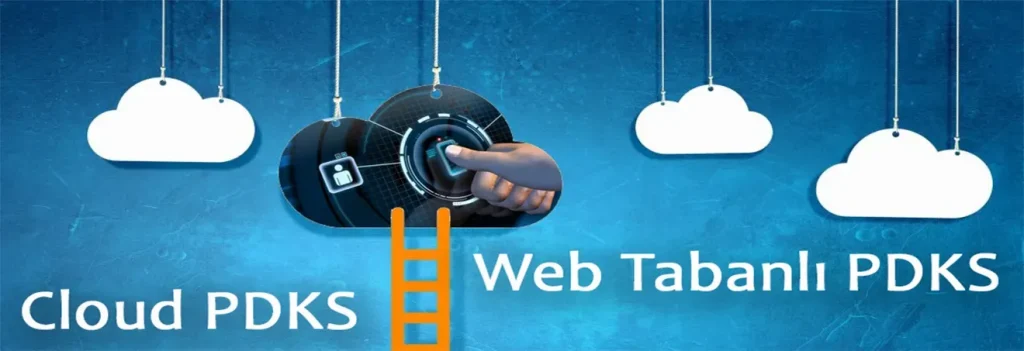
PDKS software trends 2026 are reshaping how organizations manage time, attendance, and workforce data, with cloud, mobile, and integration capabilities taking center stage. As hybrid work becomes the norm, PDKS cloud software and cloud-based time and attendance empower real-time visibility across locations while easing IT burdens. PDKS mobile solutions extend clock-ins beyond the desk, enabling remote workers to capture time accurately, while ensuring secure data sync with payroll and HR systems. Strong PDKS integrations connect HRIS, payroll, and ERP, delivering a single source of truth and reducing manual data handoffs. For decision-makers evaluating options, time and attendance software 2026 promises improved accuracy, faster payroll cycles, and clearer ROI through cloud and integration maturity.
A broader view of these developments reveals how cloud-based timekeeping platforms and modern workforce management tools are shaping organizational operations. Rather than standalone clocks, today’s time-tracking ecosystems tie payroll, HR records, and budgeting through secure data exchanges. In 2026, enterprises look for scalable, mobile-friendly solutions that support hybrid schedules, cross-border compliance, and automated approvals. By leveraging integrations, cloud services, and intelligent analytics, leaders can forecast demand, minimize overtime, and improve accuracy across the payroll cycle. Adopting a holistic approach to clocking in, attendance tracking, and data governance positions teams to realize tangible ROI as the market evolves.
1) PDKS software trends 2026: Cloud-first strategies for time and attendance
PDKS software trends 2026 highlight a cloud-first approach that reshapes how organizations manage time and attendance. By leveraging PDKS cloud software, businesses gain scalable deployment, automatic feature updates, and reduced on-premises burdens, enabling real-time visibility into workforce availability and compliance across locations. This shift supports hybrid work models and facilitates centralized data governance across regions, driving more accurate clock-ins and streamlined payroll data.
Cloud-based time and attendance becomes a strategic asset as organizations demand faster analytics and better data integrity. With cloud-first platforms, firms can access consistent dashboards, see overtime trends, and monitor attendance patterns from any location. For leaders evaluating options, the emphasis should be on security guarantees, data residency, and robust identity management within a PDKS cloud software ecosystem.
2) Cloud-based time and attendance as a strategic asset
In 2026, cloud-based time and attendance is central to accurate payroll and regulatory compliance. By delivering near real-time attendance data, organizations reduce manual data entry, shorten payroll cycles, and improve reconciliation accuracy across multi-location workforces. Cloud-based solutions simplify exception handling and enable flexible work rules, holiday calendars, and precise overtime calculations.
The most effective cloud platforms provide role-based access, secure dashboards, and auditable records that support governance. When paired with PDKS cloud software, analytics capabilities—trend analysis, variance reporting, and overtime forecasting—unlock insights that inform scheduling, capacity planning, and labor cost control across departments and projects.
3) PDKS mobile solutions for modern workforces
PDKS mobile solutions have moved from convenience to necessity for today’s dispersed workforces. Employees can clock in from remote sites, campuses, or client locations, while managers approve requests on the go. Features like geofencing, offline clock-ins, and real-time push notifications shorten response times and improve engagement.
A comprehensive mobile experience extends beyond clocking in. Self-service tools let workers view time cards, request time off, and review accrued leave, while managers gain on-the-fly capabilities for exception handling, shift swaps, and attendance approvals. Ensuring cross-device compatibility and secure remote login is essential to prevent discrepancies between mobile and desktop records within the PDKS mobile solutions ecosystem.
4) PDKS integrations for end-to-end workforce data
No timekeeping system operates in isolation; the real value comes from PDKS integrations that connect payroll, HRIS, ERP, and analytics platforms. An API-first approach with well-documented endpoints accelerates deployment and future-proofing as your tech stack evolves. With PDKS integrations, data flows seamlessly, reducing manual exports and minimizing errors in payroll and reporting.
Key integration surfaces include payroll engines for automatic tax calculations and overtime processing, HRIS for data consistency, and ERP systems for labor and project accounting. Real-time synchronization ensures budgeting reflects current staffing, while centralized analytics deliver holistic insights such as turnover, overtime trends, and schedule adherence. A governance-focused integration strategy reduces silos and enhances the employee experience through consistent information across platforms.
5) Security, privacy, and compliance in 2026
Security and privacy form the backbone of successful PDKS implementations as cloud and mobile usage expand. Organizations should prioritize PDKS software trends 2026 that emphasize robust encryption, multi-factor authentication, and granular role-based access controls. Regular security assessments, incident response plans, and detailed audit logs demonstrate adherence to regulatory and internal standards within a PDKS cloud software environment.
Compliance considerations span labor laws, data retention, and cross-border transfers. A modern PDKS solution should offer configurable retention schedules, automated reminders for data purging, and audit-ready documentation. Localized features—such as country-specific calendars and region-specific overtime rules—help prevent miscalculations and ensure statutory compliance as operations scale globally.
6) AI, automation, and ROI with PDKS in 2026
Artificial intelligence and automation are increasingly shaping PDKS software trends 2026. AI-powered scheduling can optimize shifts, reduce overtime, and ensure adequate coverage during peak periods. Machine learning models help detect attendance anomalies, flag irregular patterns, and alert managers before payroll issues arise, enabling proactive workforce management.
Automation streams include smart approvals and dynamic reporting that tailor insights for executive teams. Implementing AI within PDKS requires governance—clear data quality rules, unbiased models, and ongoing monitoring. When combined with robust integrations and cloud-based data, AI-driven PDKS solutions can deliver measurable ROI through fewer errors, improved productivity, and more precise workforce planning.
Frequently Asked Questions
What do PDKS software trends 2026 imply for adopting a cloud-first approach to time and attendance?
PDKS software trends 2026 strongly support a cloud-first strategy, offering scalability, faster deployment, automatic updates, and lower upfront costs. Cloud-based time and attendance enables centralized data across locations, supports hybrid work, and provides real-time visibility into attendance, overtime, and compliance. When evaluating PDKS cloud software, prioritize data integrity, security assurances, audit trails, and API readiness for HRIS and payroll integrations.
What should organizations look for in PDKS cloud software to maximize payroll accuracy and compliance in 2026?
Key criteria for PDKS cloud software include strong uptime SLAs, data residency options, robust identity management, encryption in transit and at rest, and granular access controls with comprehensive audit trails. The best cloud-based time and attendance solutions also support flexible work rules, holiday calendars, precise overtime calculations, and real-time data feeds to payroll for accurate, compliant payroll processing.
How do PDKS mobile solutions support modern workforces in 2026?
PDKS mobile solutions enable clock-in from the field, geofencing for location validation, offline capabilities, and push notifications for timely approvals. A strong mobile experience offers self-service for employees and streamlined approvals for managers, with cross-device compatibility and secure remote login, ensuring data synchronization to maintain accuracy across platforms.
Why are PDKS integrations critical for end-to-end workforce data in 2026?
PDKS integrations are essential to connect payroll, HRIS, ERP, and analytics, enabling seamless data flow and reducing manual exports and errors. An API-first approach with well-documented endpoints accelerates implementation and future-proofing. Prioritize data mapping, governance, data privacy, and cross-border compliance to maintain data quality and provide holistic, real-time insights.
What role do AI and automation play in shaping PDKS software trends 2026?
AI and automation in PDKS software trends 2026 drive smarter scheduling, anomaly detection, and predictive analytics, helping reduce overtime and improve coverage. Automated approvals and dynamic reporting enhance decision-making, while governance and ongoing monitoring ensure fairness and accuracy in AI-driven outputs.
How can organizations measure ROI when implementing PDKS cloud software in 2026?
ROI in 2026 is driven by faster time-to-value, improved payroll efficiency, higher data accuracy, and a reduced IT burden from cloud hosting. Evaluate total cost of ownership with scalable licenses, transparent pricing, and strong vendor support. Pilot programs, effective change management, and clear visibility into labor costs by department or project help demonstrate tangible ROI.
| Topic | Focus / What it covers | Why it matters |
|---|---|---|
| Introduction / Context | PDKS trends for 2026 emphasize cloud, mobile, and integrations to deliver real-time data and ROI. | Sets the baseline for cloud-first strategies and cross-system data flows. |
| 1. Cloud-first strategy for PDKS | Foundation for scalable, secure, and up-to-date timekeeping with rapid deployment and a single auditable source of truth. | Key benefits include predictable costs, automatic backups, disaster recovery, and a need to evaluate uptime, data residency, and identity management. |
| 2. Cloud-based time and attendance as a strategic asset | Backbone of payroll accuracy and compliance; near real-time data across locations/devices; supports flexible work rules, holiday calendars, and dashboards. | Feeds payroll in real time, reduces reconciliation efforts, and improves statutory compliance; enables analytics to optimize staffing and costs. |
| 3. PDKS mobile solutions for modern workforces | Clock in from the field or campuses, geofencing, offline mode, push notifications, and self-service features for employees; managers can approve on the go. | Increases data accuracy and engagement; enables cross-device access and timely approvals; supports better workforce visibility. |
| 4. Integrations: unlocking end-to-end workforce data | API-first approach to connect PDKS with payroll, HRIS, ERP, and analytics; real-time data flow and centralized analytics. | Eliminates silos, accelerates decision-making, and future-proofs the tech stack through seamless data exchange and governance. |
| 5. Security, privacy, and compliance in 2026 | Emphasis on encryption, MFA, RBAC, audit logs, data retention, and localization to meet regulatory demands. | Builds trust, reduces risk, and ensures adherence to labor laws and cross-border data requirements. |
| 6. AI and automation shaping the next generation of PDKS | AI-powered scheduling, anomaly detection, predictive analytics, smart approvals, and automated reporting. | Drives efficiency, improves accuracy, and enables proactive workforce planning with governance to ensure fairness. |
| 7. Implementation considerations and ROI | Phased deployment, data cleansing, stakeholder alignment, pilots, and change management; scalable licenses and strong support. | ROI comes from faster payroll, reduced errors, lower IT burden, and clearer visibility into labor costs by department or project. |
Summary
HTML table above summarizes the key points from the base content about PDKS software trends 2026.