
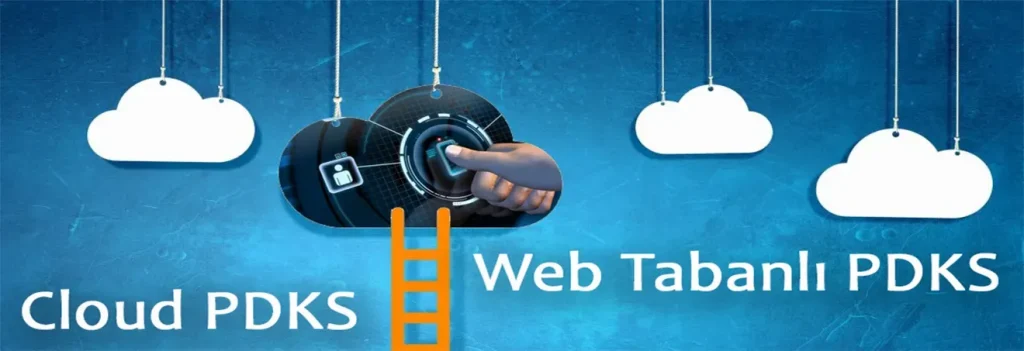
Cloud-based PDKS software is redefining how distributed teams track time, allocate shifts, and streamline payroll across a hybrid and remote work landscape, supporting field crews, home-office professionals, and satellite offices with equal reliability, and delivering consistent performance even under peak demand, while offering resilience against outages and policy shifts that complicate attendance. By centralizing cloud attendance tracking data in a secure, scalable environment, it delivers real-time visibility, reduces manual entry, and supports efficient supervision and compliance across teams through intuitive dashboards, alerts, and validations that help managers address attendance patterns, overtime trends, schedule gaps, and compliance requirements across regions, departments, and shifts, adding long-term oversight for leadership visibility, cross-functional coordination, and audit readiness over time. As a comprehensive PDKS cloud solution, the platform integrates with HR and payroll ecosystems, offers mobile clock-in, geofencing, and automated leave workflows, and provides auditable records that simplify compliance and auditing across multiple locations, time zones, regulatory contexts, and industry requirements, to support governance, risk management, and scalable rollouts across new markets. This approach not only improves accuracy and efficiency but also enhances employee experience, fostering trust in oversight practices while safeguarding privacy through clear policies, transparent data handling, and role-based access controls that evolve with changing teams, cross-border operations, and evolving regulatory landscapes. Ultimately, this cloud-enabled PDKS ecosystem empowers leaders to optimize staffing, ensure fair compensation, and scale operations as the workforce expands across regions and time zones, enabling proactive scheduling, better forecasting, more resilient payroll outcomes, and a culture of continuous improvement.
A cloud-hosted attendance and time-tracking platform lets distributed teams log hours from anywhere, while upholding data security and helping managers address staffing needs in real time. This cloud-based labor management solution connects with cloud HR and payroll systems and payroll services, translating sign-in data into payroll-ready figures and enabling seamless payroll synchronization. For leaders seeking agility, mobile clock-ins, geolocation validation, and automated leave workflows provide the same level of oversight as traditional office systems, but with broader coverage across locations and time zones. By prioritizing policy compliance, data integrity, and transparent reporting, organizations can achieve cost savings, improved accuracy, and a smoother experience for both administrators and remote workers. Together, these tools enable remote employee monitoring in a privacy-conscious framework that emphasizes outcomes over surveillance and supports analytics-driven decisions for distributed teams.
The Rise of Cloud-based PDKS software for Remote Workforce Management
The modern workplace has become increasingly distributed, with teams operating across time zones and locations. Cloud-based PDKS software serves as a scalable, secure platform that centralizes attendance, scheduling, and payroll data, enabling true remote workforce management. By leveraging cloud infrastructure, organizations can deploy a robust attendance system that is accessible from anywhere, on any device, and update in real time to reflect changing needs.
This approach helps managers gain immediate visibility into who is clocked in, who is on break, and how overtime is accruing, regardless of physical site. The combination of cloud attendance tracking and a comprehensive PDKS cloud solution supports remote employee monitoring, improves accuracy, and reduces administrative overhead. In short, Cloud-based PDKS software is a strategic asset for distributed teams seeking efficiency, compliance, and a better employee experience.
Cloud Attendance Tracking: Real-time Visibility for Distributed Teams
Cloud attendance tracking brings clock-ins and outs to a centralized, always-on platform. Employees may use biometric verification, geolocation checks, or QR code-based sign-ins, while real-time dashboards highlight who is working, who is late, and who has overtime available. This visibility is essential for remote workforce management, where timely data is critical for scheduling accuracy and payroll integrity.
Beyond monitoring presence, cloud attendance tracking serves as the backbone for streamlined payroll processing and labor cost control. When integrated with cloud HR and payroll tools, time entries flow automatically, reducing manual entry errors and shortening payroll cycles. This tight integration supports remote employee monitoring by providing reliable data that informs performance, compliance, and workforce planning.
PDKS Cloud Solution and Its Role in Cloud HR and Payroll
A PDKS cloud solution consolidates attendance, leave management, and scheduling into a single, scalable platform designed for modern HR workflows. By moving these processes to the cloud, organizations unlock centralized reporting, versioned data, and consistent data across locations. This foundation is essential for remote workforce management, enabling cross-site coordination and faster decision-making.
The cloud-first approach also simplifies integration with payroll systems and HRIS, eliminating data silos and reducing manual handoffs. With automated data transfers and configurable rules, HR teams gain accurate pay calculations, compliant leave management, and auditable records. The result is a cohesive ecosystem that aligns payroll, attendance, and HR data in a way that supports strategic people management.
Security, Privacy, and Governance in Cloud PDKS
Security and privacy are foundational to cloud-based attendance platforms. A robust PDKS solution employs multi-layered security, including encryption at rest and in transit, role-based access, and strong authentication. These controls are essential for cloud HR and payroll data, which must be protected against unauthorized access across distributed work environments.
Governance and regulatory compliance require clear data retention policies, incident response plans, and ongoing security assessments. Immutable audit trails, regular updates, and transparent vendor practices help organizations meet labor law requirements and industry-specific regulations while maintaining trust with employees who expect responsible handling of their data within a remote employee monitoring framework.
Implementation Roadmap: From Pilot to Enterprise Adoption for Cloud PDKS
A careful implementation roadmap reduces risk and accelerates value realization. Start with a process assessment that maps time-tracking, leave approvals, and payroll data flows, then define success metrics tied to payroll accuracy, approval speed, and scheduling efficiency. This planning supports effective remote workforce management by setting measurable targets for the cloud transition.
A phased rollout—pilot, configure, train, and expand—helps validate data quality and adapt rules to policy needs. Emphasize user training, champion development, and clear change management to accelerate adoption across remote teams. As the rollout scales, maintain focus on integration with existing HRIS and payroll systems to preserve seamless data consistency.
Analytics, Monitoring, and the Future of Remote Work with PDKS
Analytics and reporting capabilities turn attendance and productivity data into actionable insights. Leaders can monitor labor costs, utilization, and overtime trends across locations, supporting informed decisions in remote workforce management. The integration of remote employee monitoring metrics with scheduling and payroll data helps drive fair, data-driven people management.
Looking ahead, cloud-based PDKS solutions will likely include AI-assisted scheduling, predictive workload planning, and deeper cross-location visibility. Better mobile experiences, stronger payroll integrations, and compliance-focused features will continue to shape the future of distributed work. By embracing these trends within a solid PDKS cloud solution, organizations can improve efficiency, compliance, and employee satisfaction in a growing remote first or hybrid workplace.
Frequently Asked Questions
What is Cloud-based PDKS software and how does it support remote workforce management?
Cloud-based PDKS software is a scalable platform hosted in the cloud for tracking attendance, shifts, leave, and payroll. For remote workforce management, it delivers real-time cloud attendance tracking, mobile punch-in, centralized reporting across locations, and seamless integration with HRIS and payroll, enabling remote employee monitoring with transparent, policy-driven data.
How does cloud attendance tracking in a PDKS cloud solution improve payroll accuracy?
Cloud attendance tracking provides up-to-the-minute time data, reduces manual entry, and ensures accurate hours, leave, and overtime flow into payroll. Real-time dashboards and automated calculations minimize errors and create reliable audit trails for payroll processing.
Why is Cloud-based PDKS software essential for cloud HR and payroll in a distributed organization?
A PDKS cloud solution unifies attendance, leave, and payroll in a single system, accessible from anywhere. This supports cloud HR and payroll by streamlining data transfer, improving compliance, and speeding up payroll while reducing administrative overhead.
How does remote employee monitoring work within Cloud-based PDKS software, and what about privacy?
Remote employee monitoring in Cloud-based PDKS software focuses on objective metrics like clock-in times, schedule adherence, and leave balances. It requires transparent policies, data minimization, and strong access controls to balance productivity insights with employee trust and privacy.
What core features in a PDKS cloud solution help manage shifts and compliance for distributed teams?
Key features include cloud attendance tracking, leave and absence management, schedule management, payroll integration, mobile access, compliance and audit trails, and analytics. Together, they help manage shifts, ensure coverage, and stay compliant across multiple locations.
What are best practices for implementing Cloud-based PDKS software to support remote workforce management?
Start with a pilot focused on remote teams, define success metrics for remote workforce management, configure flexible attendance and overtime rules, provide role-based training, roll out in phases, and continuously monitor data quality and automation to optimize value.
| Aspect | Key Points |
|---|---|
| What Cloud-based PDKS software is and why it matters for remote work |
|
| Core features for remote workforce management |
|
| How cloud-based PDKS improves remote workforce management |
|
| Choosing the right Cloud-based PDKS software for a distributed workforce |
|
| Implementation roadmap: pilot to enterprise-wide adoption |
|
| Security, privacy, and governance for cloud PDKS systems |
|
| Integration and interoperability with HR technology |
|
| Embracing remote employee monitoring responsibly |
|
| Practical best practices for optimizing Cloud-based PDKS for remote teams |
|
| Common challenges and how to overcome them |
|
| Future trends in cloud-based PDKS and remote work management |
|
Summary
Conclusion