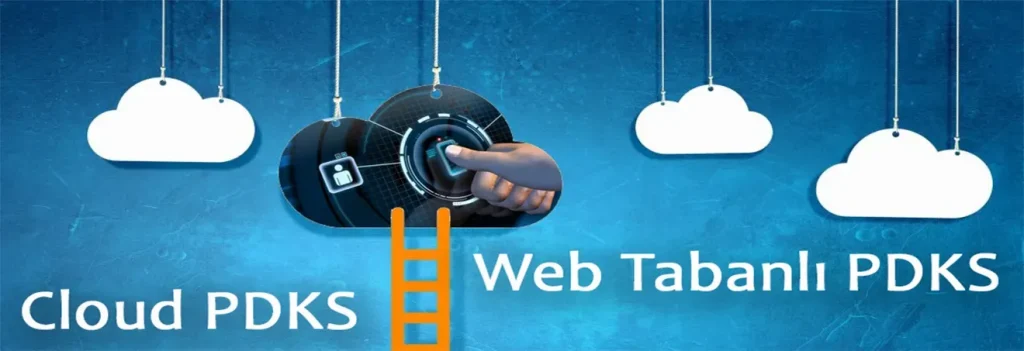
PDKS software for SMEs is redefining how Turkish businesses manage people, time, and payroll with precision. As a comprehensive solution, it serves as a reliable backbone for SME payroll and attendance software, aligning labor costs with compliance. For Turkish SMEs, it offers affordable time and attendance software options that scale with growth and budget. Adopting a PDKS in this market means leveraging a KOBİ payroll software that streamlines hours worked, leaves, overtime, and payroll data. Ultimately, selecting the right PDKS software for SMEs boosts efficiency, accuracy, and strategic decision making.
Viewed through an alternative lens, these tools function as holistic workforce management platforms for Turkish small businesses. Rather than merely recording clock-ins, they integrate attendance tracking, leave management, overtime, and payroll into a single compliant system. For turkish SME payroll system deployments and Turkish SMEs alike, such solutions enable better budgeting, smarter staffing, and streamlined regulatory reporting. Key characteristics to seek include scalability, localization, strong data security, and smooth integration with existing accounting or ERP tools. Using language and concepts aligned with LSI, this category becomes a strategic asset that supports growth and operational resilience.
Understanding PDKS Software for SMEs: A Cornerstone of Turkish Payroll and Attendance Management
PDKS software for SMEs, or People Delivery Chronology System, is a comprehensive payroll and time management solution designed to streamline how small and mid-sized businesses track hours, manage attendance, and process payroll. In the Turkish context, this type of system acts as a central repository for hours worked, leaves taken, overtime, and payroll data, helping KOBİs maintain accuracy and regulatory compliance. By automating data collection from clock-ins, shifts, and requests for time off, Turkish SMEs gain a reliable single source of truth that reduces manual entry and human error.
For SME owners and managers, adopting PDKS software for SMEs means much more than compliance—it’s a strategic upgrade to workforce visibility. The right SME payroll and attendance software aligns labor costs with business goals, supports better decision making, and improves the employee experience through self-service options. As Turkish SMEs grow, scalable pricing and multi-location support become essential features, ensuring the solution remains affordable while expanding with the business.
Key Features of SME Payroll and Attendance Software for Turkish SMEs
Core components of SME payroll and attendance software include clock-in/out capture, shift scheduling, leave management, overtime calculations, payroll data exports, and robust reporting. In a Turkish SME setting, these features must also accommodate Turkish lira payroll processing, SGK reporting prerequisites, and localization-ready export formats. This integration enables seamless data flow from time tracking to payroll, reducing bottlenecks and ensuring timely, accurate pay runs.
Beyond basics, the most effective Turkish solutions offer analytics dashboards and insight into labor costs by department, overtime trends, and staffing utilization. An intuitive interface for HR staff and employees—often with self-service portals for leave requests and payslips—reduces administrative inquiries and improves data accuracy. When evaluating options, look for multi-location support, flexible rules for attendance, and robust security controls to protect sensitive payroll information.
Choosing Affordable Time and Attendance Software for KOBİs
Affordability is a critical criterion for Turkish SMEs seeking to optimize payroll and attendance without inflating costs. A solid affordable time and attendance software package should deliver essential features at a predictable price, with scalable add-ons as the business grows. Consider total cost of ownership, including implementation, training, maintenance, and potential savings from reduced payroll errors and manual data entry.
When comparing vendors, prioritize solutions that balance functionality and price, offering transparent pricing models and clear upgrade paths. For KOBİs, selecting a system with cloud or hybrid deployment can lower upfront capital expenditure while preserving access to updates and support. A well-chosen option should still provide robust core capabilities such as time tracking, attendance management, and payroll exports—key components of any effective SME payroll software strategy.
Localization and Compliance in a Turkish SME Payroll System
Localization is essential for Turkish SMEs. A Turkish SME payroll system should handle currency in Turkish lira, comply with local labor laws, and support SGK reporting formats. Localization also involves language options and region-specific templates, ensuring HR staff and employees can use the system comfortably while meeting regulatory requirements.
In addition to localization, compliance-focused features help streamline submissions to tax authorities and labor authorities, with automated tax calculations and standardized payroll exports. An effective Turkish SME payroll system makes it easier to maintain audit trails, generate regulatory reports, and demonstrate adherence to local requirements during inspections or audits.
Implementation Best Practices for PDKS Software for SMEs in Turkish SMBs
A successful implementation begins with clear goals, data hygiene, and stakeholder alignment. Define what success looks like (reduced payroll cycle time, fewer corrections, improved attendance discipline) and establish baseline metrics. Map current time-tracking and payroll workflows, identify data sources, and plan how data will migrate into the new system. A phased approach helps manage risk and demonstrates early value.
Pilot testing, user training, and change management are critical for adoption. Run a small pilot group to validate attendance capture, leave processing, and payroll exports, then roll out broadly with comprehensive training materials. Emphasize self-service capabilities to boost user acceptance, and ensure strong data security practices are in place, including role-based access and regular backups. A well-managed rollout reduces disruption and accelerates ROI.
Real-World Benefits and ROI of PDKS Software for Turkish SMEs
Turkish SMEs implementing PDKS software often see tangible improvements in payroll accuracy, reduction of manual data entry, and better visibility into labor costs. When attendance data is reliable and easy to export to payroll systems, month-end closes become more predictable, enabling leaders to reallocate time toward process improvements and customer service enhancements. This translates into safer, more transparent labor cost management for KOBİs.
Over time, the ROI from PDKS software compounds through time savings, improved compliance, and enhanced employee trust due to timely pay and transparent processes. Scalable solutions also support multi-location expansion and evolving regulatory needs. For Turkish SMEs, a well-chosen SME payroll and attendance software can be a strategic asset, delivering long-term value by balancing affordability with powerful functionality.
Frequently Asked Questions
What is PDKS software for SMEs and how can it help Turkish SMEs with payroll and attendance?
PDKS software for SMEs, widely used in Turkey, integrates time tracking, attendance, leave management, overtime, and payroll data into a single source of truth. For Turkish SMEs (KOBİs), it reduces manual data entry, improves payroll accuracy, and helps ensure compliance with local labor regulations across locations. It also provides insights into labor costs and productivity to support better decisions.
Why is affordable time and attendance software important for Turkish SMEs?
Affordable time and attendance software helps Turkish SMEs lower the total cost of ownership while delivering essential functionality. By automating time data, it reduces payroll errors and saves HR time, delivering faster payroll cycles. Look for scalable pricing and deployment options that fit a growing SME.
What features should be included in a KOBİ payroll software to meet Turkish regulatory requirements?
A solid KOBİ payroll software should support Turkish currency (TRY), SGK reporting, accurate tax calculations, and compliant payroll exports. Key features include clock-in/out, leave and vacation management, overtime rules, and payroll data integration with your accounting or ERP system. A user-friendly self-service portal and localization for Turkish users further improve adoption and compliance.
How does SME payroll software integrate with accounting or ERP systems?
SME payroll and attendance software should offer seamless integration with your accounting or ERP platform through compatible export formats and APIs. Automatic data synchronization reduces duplicate entry and errors, while cloud or on-premise deployment provides flexibility for Turkish SMEs with multi-location needs.
What are best practices for implementing PDKS software for SMEs in a multi-location Turkish SME?
Best practices include defining clear goals and success metrics, planning data migration, running a pilot, and providing comprehensive training. Choose a scalable PDKS that supports multi-location shifts and Turkish localization, then implement in phases to manage change and maximize user adoption. Monitor usage and adjust configurations to sustain ROI.
How can Turkish SMEs measure ROI when investing in PDKS software for SMEs?
Measure ROI by tracking baseline and post-implementation metrics such as payroll cycle time, error rates, overtime costs, and labor cost per department. Quantify time saved by HR and the reduction in compliance risks, then assess total cost of ownership including implementation and training. Over time, improved accuracy and faster payroll cycles translate into tangible financial and operational benefits for Turkish SMEs.
| Aspect | Key Points |
|---|---|
| What is PDKS for SMEs? | A payroll and attendance solution tailored for Turkish KOBİs to manage hours, leaves, overtime, and payroll in one system. |
| Why it matters | Improves payroll accuracy, reduces manual data entry, and helps control labor costs with a single source of truth. |
| Core features | Time tracking, attendance management, leave handling, overtime calculation, payroll export, reporting; multi-location support and Turkish localization. |
| Turkish localization considerations | Turkish lira payroll, SGK reporting readiness, compliant export formats; multilingual/self-service features. |
| Affordability and value | Cost-effective solutions deliver essential features with scalable pricing; total cost of ownership including implementation and training should be considered. |
| Implementation steps | Define goals; map processes; plan data migration; pilot and train; phased rollout; monitor and optimize. |
| Best practices | Start with core features; ensure usability; prioritize data accuracy; align with regulatory reporting; enable self-service; plan for integration. |
| Common pitfalls | Underestimating data migration; overcomplicating configuration; poor user adoption; neglecting security; ignoring reporting needs. |
| Real-world impact | Quicker payroll cycles, fewer corrections, clearer labor cost insights, and improved decision-making. |
Summary
PDKS software for SMEs is a strategic asset for Turkish businesses seeking affordable, accurate, and scalable labor management. By consolidating time tracking, attendance, leaves, overtime, and payroll exports in a single system, SMEs gain a transparent view of labor costs, reduce manual data entry, and improve regulatory compliance. The right PDKS solution should be affordable, user-friendly, and scalable to support growth across locations while offering localization for Turkish rules, SGK reporting, and Turkish lira payroll. Implementation should be staged: define goals, plan data migration, pilot with training, and monitor results. With self-service for employees, robust security, and strong integration capabilities with accounting or ERP systems, SMEs can realize faster payroll cycles, better workforce planning, and data-driven decision making. In short, choosing the right PDKS software for SMEs translates into measurable ROI, improved productivity, and a stronger employer brand over time.