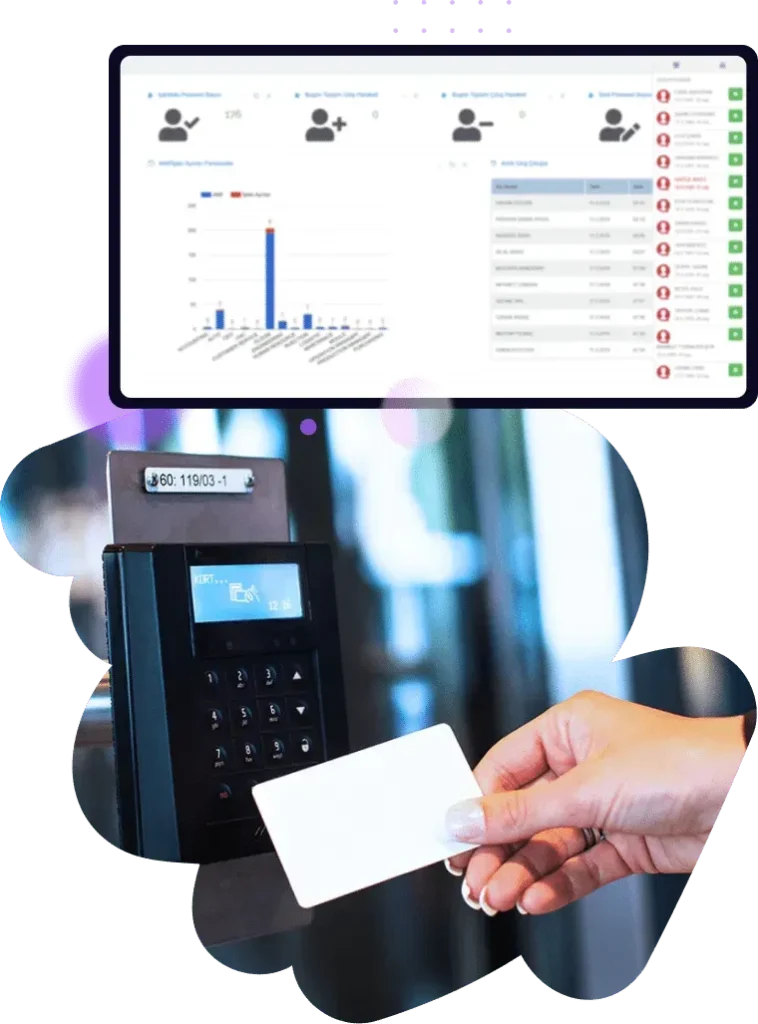
PDKS Software for E-Payroll unites timekeeping with payroll processing, streamlining the creation of e-bordro and electronic payslips for employees. By syncing attendance integration with payroll calculations, it reduces manual data entry and minimizes errors. For HR teams and payroll administrators, this approach speeds up the payslip cycle while improving accuracy and compliance, a hallmark of modern payroll software. This overview explains what the system does, why it matters, and the steps and tips for PDKS that help produce reliable electronic payslips. Emphasizing data quality, security, and audit trails supports scalable, compliant payroll practices.
In alternative terms, this approach acts as a timekeeping-driven payroll solution that links clock-in data with compensation calculations. From an LSI perspective, related concepts include attendance integration, payroll automation, electronic payslip delivery, and secure payslip access. Framing the topic with synonyms such as e-bordro, electronic payslip, and payroll software helps create content that users and search engines recognize as relevant. This modular workflow supports scalability by pulling data from attendance records through tax withholdings to comprehensive reporting. Together, these terms set the stage for a practical, step-by-step guide to implementing attendance-based payroll systems across organizations.
PDKS Software for E-Payroll: A Modern Solution for Timekeeping and Electronic Payslips
PDKS Software for E-Payroll brings timekeeping and payroll into a single, streamlined workflow. By integrating attendance data with payroll calculations, organizations can generate electronic payslips (e-bordro) more quickly and with greater accuracy. This consolidation supports attendance integration, ensuring that clock-ins, overtime, and absences flow directly into payslip calculations and employee self-service portals.
The value of this approach goes beyond speed. A unified PDKS-based solution provides robust data security, audit trails, and the ability to deliver electronic payslips securely to employees. With a strong data foundation and well-defined rules, HR teams can reduce manual entry, minimize arithmetic errors, and improve compliance when producing e-bordro and other payroll outputs.
Attendance Integration and Payroll Software: From Punch Records to e-bordro
The core strength of effective payroll lies in flawless attendance data. Attendance integration links PDKS punch records, hours worked, and leave codes to the payroll engine, ensuring that each payslip reflects verified hours. Data mapping helps translate daily attendance and overtime into precise earning codes within payroll software, so e-bordro shows the correct gross pay and deductions.
With routine data validation and reconciliation, payroll teams can catch anomalies—such as missing punches or overlapping shifts—before payslips are generated. This reduces back-and-forth between departments, strengthens compliance, and creates a clear audit trail that ties attendance events directly to electronic payslips.
Configuring Payroll Software for Turkish Tax Rules and Compliance
Configuring payroll software to reflect local tax rules and statutory withholdings is essential for accuracy and compliance. In markets like Turkey, payroll calendars, tax brackets, social security contributions, and other deductions must be implemented correctly so that e-bordro aligns with regulatory requirements. This setup also influences how leaves and allowances affect pay, ensuring that deductions and benefits are properly calculated.
Beyond calculations, proper configuration supports transparent reporting and regulatory readiness. With well-defined leave integration, currency handling, and benefits rules, payroll software can produce compliant electronic payslips that meet statutory needs while maintaining clear audit trails for audits and governance reviews.
Steps and Tips for PDKS: Ensuring Data Quality for Safer Electronic Payslips
Steps and tips for PDKS (PDKS: Personnel Daily Check-in System) focus on building clean data foundations. Start with master data such as employee IDs and tax status, then validate attendance data, overtime rules, and leave policies. Map fields between PDKS and payroll software so that attendance hours, overtime hours, and leave hours transfer accurately into the e-payslip workflow.
Descriptive checks and sandbox testing are vital. Use automated validations to catch negative hours, missing punches, or mismatched codes. Regular data quality reviews, change-management processes for rule updates, and thorough documentation help ensure that electronic payslips remain reliable and compliant as rules evolve.
Generating and Securing Electronic Payslips (e-bordro) with Self-Service Access
Once calculations are complete, generating electronic payslips (e-bordro) should emphasize accuracy, security, and accessibility. Digital signatures or approvals can be implemented to validate payslips, and encryption protects stored payslips during transmission and storage. A secure distribution model reduces paper costs while maintaining compliance with privacy regulations.
Employee self-service portals and mobile access make it easy for staff to view, download, or print their e-bordro. Establishing a robust archiving policy ensures long-term retention of payslips and related data, while access controls and immutable logs support governance and audit readiness.
Reporting, Reconciliation, and Archiving in a PDKS-Driven Payroll Workflow
The final phase emphasizes reporting and archival discipline. Payroll summaries by department, attendance vs. payroll reconciliation, and tax/deduction reporting provide visibility into payments and compliance. Regular reconciliation helps detect discrepancies early and supports accurate e-payslip issuance.
Archiving and governance are essential for ongoing compliance. Secure storage of input data (attendance, overtime, leaves) and output (e-bordro) with tight access controls, immutable logs, and periodic audits ensures that the payroll process remains auditable and scalable as the organization grows.
Frequently Asked Questions
What is PDKS Software for E-Payroll and how does it support e-bordro (electronic payslip) delivery?
PDKS Software for E-Payroll is an integrated solution that combines attendance data collection, payroll calculations, tax and deduction rules, and electronic payslip generation (e-bordro) into a single workflow. By enabling attendance integration, it automatically feeds hours, overtime, and leave into payroll, enabling secure delivery of electronic payslips to employees.
How does attendance integration in PDKS Software for E-Payroll affect payslip accuracy?
Attendance integration in PDKS Software for E-Payroll maps daily punch data, overtime hours, and leave codes to the corresponding payroll fields. With data validation and a clear audit trail, it improves payslip accuracy and helps ensure correct gross pay, deductions, and net pay in the electronic payslip.
What are the essential steps and tips for using PDKS Software for E-Payroll to generate reliable electronic payslips?
Key steps and tips for PDKS-based e-payroll: Step 1—prepare data foundations with clean employee master data and attendance records; Step 2—configure payroll rules, tax, and deductions; Step 3—integrate attendance data through mapping and validation; Step 4—generate electronic payslips (e-bordro) with secure distribution; Step 5—perform reporting, reconciliation, and archiving. Tips: run sandbox tests, automate validations, and maintain a change log for rule updates.
What common challenges arise when integrating PDKS with payroll software, and how can organizations address them?
Common challenges include data discrepancies between PDKS and payroll, frequent tax or regulatory rule changes, and access-control or payslip retrieval issues. Solutions: establish regular reconciliation routines, implement a formal change-management process before updating payroll rules, and enforce role-based access control, secure self-service access, and reliable support channels for employees.
Why is a clean data foundation important for accurate e-bordro generation with PDKS Software for E-Payroll?
A clean data foundation reduces downstream adjustments and speeds up e-bordro processing. Ensure up-to-date employee master data, accurate attendance entries, correct overtime rules, leave policies, and tax settings; use field mapping between systems, automated validation, and periodic reconciliation to maintain data quality.
How can organizations ensure security, compliance, and easy access to electronic payslips when using PDKS Software for E-Payroll?
To secure electronic payslips and stay compliant, apply strong security controls: role-based access, encryption for storage and transmission, and secure self-service portals for e-bordro access. Use digital signatures or approvals if required, maintain immutable audit logs and retention policies, and align with local regulations (e.g., Turkish payroll rules) to ensure compliant e-payroll and e-bordro workflows.
| Aspect | Key Points |
|---|---|
| What is PDKS Software for E-Payroll? | An integrated solution combining attendance data collection, payroll calculations, tax and deduction rules, and electronic payslip generation (e-bordro). In Turkey and similar markets, it often serves as the time-tracking backbone, ensuring pay is based on verified hours and enabling secure e-bordro delivery. |
| Key benefits | – Accuracy and speed: automated data transfer reduces manual entry and errors. – Compliance and traceability: audit trails for attendance, overtime, and withholdings. – Paperless payroll: secure e-bordro delivery; reduces printing, storage, and distribution costs. – Employee self-service: staff can view, download, or print payslips. |
| Step 1: Prepare data foundations | Clean input data, including employee master data, attendance, overtime rules, leaves, and tax/deductions. Map fields between PDKS and payroll to ensure smooth data handoff. |
| Step 2: Configure PDKS for payroll processing | – Payroll calendar: define period and pay date. – Pay rules and earning codes: how regular hours, overtime, bonuses, and allowances are calculated. – Tax and statutory rules: relevant tax rules and deductions. – Leave/absence integration: connect leave balances to payroll. – Currency and benefits: multi-currency and benefits rules. |
| Step 3: Integrate attendance data with payroll calculations | – Data mapping: tie PDKS fields to payroll fields. – Data validation: catch negative hours, missing punches. – Overtime and shift rules: apply policy-based overtime and shift differentials. – Leave management: reflect approved leave and balances. – Data reconciliation: compare inputs with expected payments to detect discrepancies. |
| Step 4: Generate electronic payslips (e-bordro) | – Accuracy: gross pay, deductions, net pay align with calculations. – Security: encryption and access controls. – Signatures and compliance: digital signatures as required. – Accessibility: self-service portal and mobile access. – Archiving: retention policy and audit-ready storage. |
| Step 5: Reporting, reconciliation, and archiving | – Payroll summary by department/employee. – Attendance vs payroll reconciliation. – Tax withholdings by period. – Overtime and leave usage statistics. – Payslip issuance/distribution status. – Secure archiving and immutable logs. |
| Best practices and tips | – Start with data quality. – Automate validations. – Align with local regulations. – Emphasize security and privacy. – Invest in training. – Use test runs. – Plan for exceptions. – Monitor performance. |
| Common challenges and practical solutions | – Data discrepancies: implement reconciliation routines. – Tax/regulatory changes: change-management process. – Employee access concerns: RBAC and segregation of duties. – Payslip access issues: ensure reliable self-service access. |
| Real-world considerations | – Phased rollout: pilot group before scaling. – Documentation of configurations and mappings. – Focus on governance and auditability. |
Summary
PDKS Software for E-Payroll enables organizations to streamline timekeeping, payroll calculations, and electronic payslip delivery into a single, secure workflow. By building a solid data foundation, configuring payroll rules, integrating attendance data, and prioritizing secure e-bordro distribution, organizations can realize significant efficiency gains and stronger compliance. The steps outlined above—data preparation, payroll configuration, attendance integration, e-payslip generation, and robust reporting—offer a practical roadmap for HR teams seeking to optimize payroll through PDKS. With ongoing attention to best practices, training, and governance, you can achieve accurate payslips, improved employee trust, and a streamlined payroll process that stands up to audit and regulatory scrutiny.