PDKS Software and Leave Management integrates timekeeping, leave administration, and analytics to power accurate reporting and smarter scheduling. As organizations seek precision in attendance tracking, a unified platform minimizes discrepancies and payroll errors. Within this system, PDKS software for leave management capabilities streamline approvals, accruals, and compliance across departments. Built-in leave management reporting and HR analytics turn raw attendance data into actionable insights that support workforce planning. From mobile clock-ins to centralized dashboards, this approach supports an attendance and absence management system that delivers transparency, efficiency, and better employee satisfaction.
Viewed through an alternative lens, the concept maps to a timekeeping and presence solution that emphasizes seamless leave administration and strong governance. This LSI-informed framing expands to workforce presence tracking, absence management, and compliant scheduling across teams. Rather than a single feature, you gain a unified platform for attendance analytics, overtime controls, and precise payroll integration. Mobile access, role-based controls, and data quality practices ensure scalable, user-friendly HR operations. In essence, the goal remains the same: efficient attendance, orderly leave workflows, and insightful reporting, articulated in varied terminology to support broader discovery.
PDKS Software and Leave Management: Centralizing Attendance Tracking and Leave Workflows
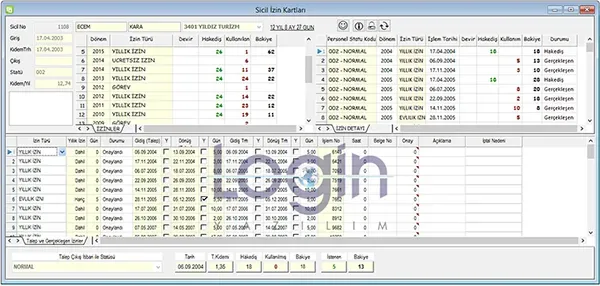
PDKS Software and Leave Management bring attendance tracking, leave planning, and compliance into a single platform. By consolidating these functions, organizations can monitor clock-in/out, track leave balances, and enforce accrual rules with consistency. This alignment reduces data silos and ensures that every attendance moment is captured as part of the broader attendance and absence management system.
Choosing a solution branded as PDKS Software and Leave Management enables standardized workflows: employees submit leave requests, managers approve, calendars auto-update, and reports feed payroll. This approach supports improved payroll accuracy, reduced absenteeism, and clearer visibility into labor costs, reflecting the essence of PDKS software for leave management.
Enhanced Attendance Tracking with an Attendance and Absence Management System
An advanced attendance and absence management system provides precise, auditable records of when employees clock in, clock out, take breaks, and are absent. Digital records create an immutable trail that reduces disputes and payroll errors, while real-time data supports quick operational decisions.
Real-time dashboards enable proactive scheduling adjustments, coverage planning, and workload balancing. Employee self-service portals also empower staff to view their attendance records and leave balances, fostering transparency and engagement.
Turn Leave Management Reporting into Strategic Insight with HR Analytics
Leave management reporting becomes a strategic lever when coupled with HR analytics. Standard and customizable dashboards cover absence rates, leave balances, overtime hours, and accrual trends, enabling department- or project-level insights.
Analyzing patterns in leave usage reveals seasonal peaks, staffing gaps, and potential compliance risks. Centralized data improves governance and aligns payroll, HR, and finance for auditable, data-driven decision making.
Implementation Best Practices for PDKS Software: Governance, Data Quality, and Compliance
Define clear goals and KPIs before deployment, such as reduced overtime, lower absenteeism, faster leave approvals, and improved payroll accuracy. Standardize leave policies, accrual rules, probation periods, and overtime thresholds within the system to ensure consistent application.
Migrate data carefully, map existing attendance logs and leave records, and validate balances. Configure roles and access with role-based access control, implement security measures, and provide training to ensure adoption and ongoing governance.
Optimizing HR Operations: From Real-Time Dashboards to Automated Workflows
Leverage real-time dashboards and mobile access to monitor attendance, approve leave requests on the go, and schedule alerts. Automating routine reports—daily or weekly—keeps leadership informed and reduces manual workload.
Integration with payroll and other HR systems ensures smooth data flows, enhancing data quality and governance. The combination of timely insights and seamless data exchange supports the broader HR analytics strategy and improves payroll accuracy.
Practical Use Cases: Absence Trends, Overtime, and Payroll Integration with PDKS
Absence trend analysis across teams helps identify understaffed departments and informs hiring, cross-training, and coverage planning. Leave policy optimization—analyzing requests by type and season—can refine accrual rules and approval workflows, reducing bottlenecks.
Overtime control comes from comparing attendance data with claims and approvals to detect inefficiencies or time-recording anomalies. Automated alerts for policy violations and payroll integration scenarios streamline monthly closes and minimize discrepancies.
Frequently Asked Questions
What is PDKS Software and Leave Management and why is it important for attendance tracking?
PDKS Software and Leave Management blends attendance tracking with leave management in one platform. It provides precise clock-in/out records, real-time dashboards, and automated leave balances, leading to improved payroll accuracy, regulatory compliance, and clearer visibility into workforce utilization.
How does PDKS software for leave management improve leave management and reporting?
PDKS software for leave management streamlines leave requests, approvals, accruals, and calendars within a single system. This consolidation enhances leave management reporting, ensures consistent balances, and improves visibility into attendance patterns for better decision-making.
How can PDKS Software and Leave Management support HR analytics?
PDKS Software and Leave Management feeds clean attendance and absence data into HR analytics, enabling insights on turnover, absenteeism, and workload. Integrated analytics dashboards help optimize staffing, training, and scheduling based on real-world trends.
What features define an effective attendance and absence management system within PDKS Software and Leave Management?
An effective system includes real-time attendance tracking, absence management, automated alerts, leave management, and employee self-service. These features, combined with compliant reporting, create accurate data and streamlined governance in the attendance and absence management system.
What implementation tips maximize reporting with PDKS Software and Leave Management?
To maximize reporting, set clear goals and KPIs, standardize leave policies, carefully migrate data, implement role-based access, and automate key leave management reporting dashboards. Align these practices with HR analytics goals to gain deeper, actionable insights.
What are common challenges with PDKS Software and Leave Management and how can they be overcome?
Common challenges include resistance to change, data quality issues, complex leave policies, and security concerns. Overcome them through early stakeholder engagement, thorough data cleansing, phased rollouts, clear policy configuration, and strong authentication and access controls.
| Aspect | Key Points |
|---|---|
| Core components of PDKS Software and Leave Management |
|
| How PDKS software enhances attendance tracking and absence management |
|
| Leave management reporting as a strategic lever |
|
| Implementation tips to maximize value |
|
| Best practices for optimizing reporting and governance |
|
| Practical use cases and scenarios |
|
| Common challenges and how to overcome them |
|
Summary
PDKS Software and Leave Management is more than a digital attendance clock; it provides a foundation for precise attendance tracking, streamlined leave workflows, robust reporting, and advanced HR analytics. By implementing clear policies, governance, and data quality practices, organizations can improve payroll accuracy, reduce absenteeism, and empower managers with real-time insights. This descriptive overview highlights essential features, benefits, and practical tips to optimize reporting and governance through PDKS Software and Leave Management.