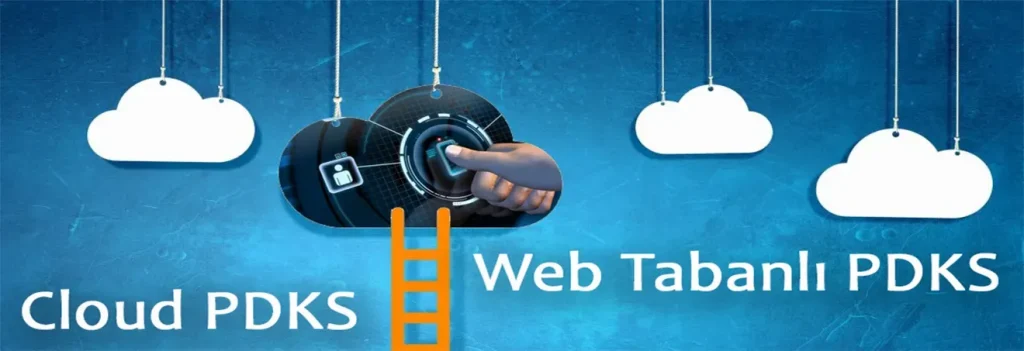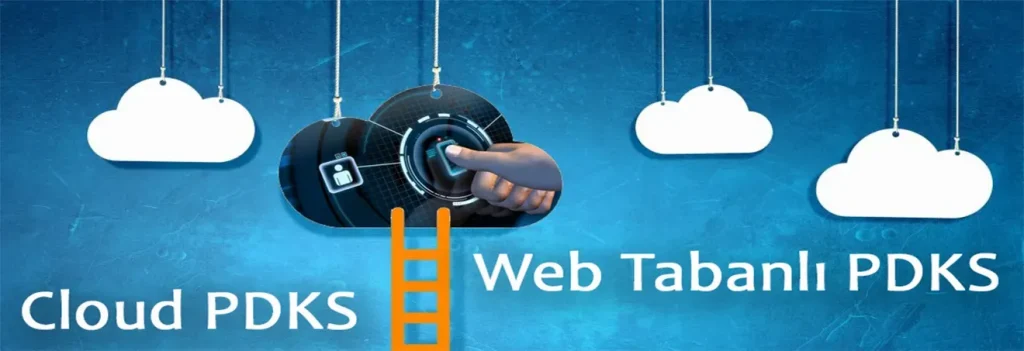
Cloud-based PDKS software is transforming how organizations track time, attendance, and payroll integration across multiple sites, enabling a consistent, auditable record of worker hours that supports transparent decision-making at every level, and it scales with growth without compromising performance or security. By consolidating data in a scalable cloud environment, it eliminates on-premise hardware and enables secure access for distributed teams, while offering uptime guarantees, responsive support, and seamless integration with adjacent systems that improve governance. The introduction of this technology brings PDKS software benefits such as real-time insight into hours, leaves, and overtime, which helps managers make faster, payroll-ready decisions while improving accuracy and reducing reconciliation effort across multiple payroll cycles. Teams benefit from flexible features like mobile clock-ins, self-service leave requests, offline data caching for remote locations, and robust audit trails, enabling flexible HR time tracking and reducing administrative load while maintaining accuracy and ensuring payroll compliance across jurisdictions. With robust security, automated updates, and multi-location support, organizations can rely on a scalable system that aligns time data with payroll and compliance requirements, while offering configurable permissions, role-based access, and ongoing governance that builds trust with regulators and employees alike.
Looking at the broader landscape, this cloud-driven timekeeping solution is part of a larger wave of HR technology that blends payroll, scheduling, and attendance into a single, accessible platform. From an LSI perspective, you can think of it as a web-based workforce management system that leverages cloud hosting, API connectivity, and role-based security to streamline operations across locations. The approach emphasizes data accuracy, real-time monitoring, and governance, so HR and finance teams can trust the numbers feeding payroll and reporting. As organizations adopt this SaaS-based time and attendance model, they often highlight ease of integration with existing payroll engines, the ability to scale with headcount, and improved user adoption thanks to intuitive mobile clocks and self-service features. In short, the cloud HR software for payroll compliance becomes a foundational layer that reduces risk while boosting visibility and operational efficiency across the workforce.
Cloud-based PDKS software: A Strategic Asset for Modern Workforce Management
Cloud-based PDKS software marks a turning point in how organizations capture and manage employee time, attendance, and payroll integration. By eliminating the need for on-premise hardware, these systems offer scalable resources, automatic updates, and global accessibility that support distributed teams, shifts, and multi-site operations.
Time data is collected through multiple channels—biometric devices, mobile apps, and secure web portals—and centralized in a cloud repository. This consolidation enables instant reporting, streamlined leave management, and accurate overtime calculations, strengthening payroll integrity and HR decision-making across the organization.
PDKS software benefits: Efficiency, accuracy, and governance across payroll and HR
Adopting a cloud-based PDKS delivers clear benefits for HR and finance teams. The cloud model supports flexible scheduling, real-time data capture, and scalable resources, reducing manual data entry and ensuring consistency across locations. Managers gain immediate visibility into hours worked, breaks, and shift differentials, enabling quicker validation before payroll runs.
Beyond accuracy, PDKS software benefits include robust security, role-based access, and audit trails that support regulatory compliance. Seamless integration with payroll and ERP systems helps ensure that attendance data aligns with compensation rules, while automated reporting and dashboards provide governance controls that mitigate payroll risks and support audits.
Flexible HR time tracking: Mobility, shifts, and offline support
Flexible HR time tracking is central to modern workforce management, especially for organizations with remote workers or diverse shifts. Cloud PDKS enables clock-ins from mobile devices, biometric terminals, or web portals, allowing employees to record time in a way that suits their workflow while maintaining accuracy.
Offline support and later synchronization ensure that time entries are captured even with intermittent connectivity. This flexibility is particularly valuable for shifts across multiple sites, field teams, and location-based schedules, helping managers optimize staffing, control labor costs, and provide reliable data for payroll and project tracking.
Secure attendance management: Data protection, access controls, and compliance
Secure attendance management is foundational to trustworthy workforce data. Cloud-based PDKS platforms implement encryption, strong identity and access management, and regular security testing to protect sensitive information both at rest and in transit. Multi-factor authentication and role-based access controls help ensure that only authorized users view or modify attendance data.
In addition, these systems support compliance with data protection regulations, data localization options, and robust incident response processes. Organizations should seek vendors with SOC 2, ISO 27001 certifications, and transparent vulnerability management programs to sustain trust with employees and regulators.
Cloud HR software for payroll compliance: Regulatory alignment across jurisdictions
Cloud HR software for payroll compliance helps organizations map attendance data to compensation rules across multiple jurisdictions. Automated wage calculations, stay-in-compliance features, and centralized audit trails simplify cross-border or multi-location payroll processing while reducing manual errors.
The system’s built-in controls support regulatory updates, time-off accrual rules, and labor law variations, easing governance for HR and finance teams. By aligning attendance, leave management, and payroll, businesses maintain accurate payroll records and stay prepared for audits, all while improving employee trust and satisfaction.
Implementation, ROI, and best practices for Cloud-based PDKS System Adoption
Successful cloud PDKS adoption begins with a clear migration plan: map existing attendance records, leave balances, and payroll interfaces to the new cloud environment, define KPIs (data accuracy, payroll cycle time, user adoption), and design an API-driven integration strategy to future-proof the stack.
Change management, stakeholder involvement, and phased rollout are essential. Training programs for clock-in procedures and leave requests, along with self-service capabilities for managers to approve time and for employees to review timesheets, help minimize disruption and accelerate time-to-value. When well-executed, a cloud-based PDKS system delivers strong ROI through reduced manual tasks, faster payroll, lower compliance risk, and scalable support for growing organizations.
Frequently Asked Questions
What is cloud-based PDKS software and how does a cloud-based PDKS system manage time, attendance, and payroll?
PDKS stands for time and attendance management, often linked to payroll and HR systems. A cloud-based PDKS software collects time via biometric devices, mobile apps, and web portals, consolidates it in a centralized cloud repository, and provides instant reporting, leave management, and overtime calculations. The cloud model eliminates on-prem hardware, enables automatic updates, and offers global accessibility for distributed teams, improving consistency and payroll accuracy.
What are the key benefits of cloud-based PDKS software?
Key benefits include flexibility and scalability, real-time data accuracy, enhanced security and access controls, seamless payroll and compliance integration, and reduced IT burden with faster deployment.
How does secure attendance management work within cloud HR software for payroll compliance?
Secure attendance management relies on encryption in transit and at rest, multi-factor authentication, and role-based access control, with tamper-resistant audit trails. Cloud HR software for payroll compliance also supports data localization and regulatory compliance, plus security attestations (such as SOC 2 and ISO 27001) to protect sensitive employee data.
How does cloud-based PDKS software support flexible HR time tracking across locations and devices?
It enables clock-ins from biometric devices, mobile apps, and web portals with offline support and later synchronization, supporting shifts across multiple sites and remote workers. Real-time dashboards and centralized data improve visibility for managers and payroll accuracy.
What implementation best practices should you follow when adopting a cloud-based PDKS system?
Start with a data migration plan mapping existing records to the cloud, define KPIs (data accuracy, payroll time, user adoption), and plan integrations with payroll, HRIS, and ERP using an API-driven approach. Emphasize change management, training, phased pilots, and self-service capabilities for managers and employees.
How can cloud HR software for payroll compliance ensure regulatory alignment and audit readiness in a cloud-based PDKS system?
By enforcing wage rules across jurisdictions, maintaining audit trails, and implementing robust data protection and incident response, plus third-party security attestations (SOC 2, ISO 27001). Data localization options and regular access reviews support compliance and payroll integrity.
| Aspect | Key Points | Notes / Examples |
|---|---|---|
| What is cloud-based PDKS | Time and attendance management linked to payroll/HR; accessible via biometric devices, mobile apps, and web portals; centralized cloud repository; instant reporting; leave management; overtime calculations | No on-prem hardware; automatic updates; global accessibility; supports shift work, multiple locations, and remote workers; improves consistency and accuracy |
| Core benefits | Flexibility and scalability; real-time data and dashboards; enhanced security and access controls; seamless payroll and compliance; reduced IT burden and faster deployment | Mobile clock-ins, offline support with later synchronization; scalable for peak periods and new locations |
| Security considerations | Encryption at rest and in transit; identity and access management; multi-factor authentication; role-based access control; regular security testing | Data protection, regulatory compliance, data localization options, tamper-resistant audit trails; ask vendors about SOC 2, ISO 27001, and vulnerability management |
| Implementation considerations | Data migration mapping; define KPIs (data accuracy, time to payroll, user adoption); plan integrations with payroll, HRIS, ERP; API-driven approach | Change management, phased rollout, pilot locations, training, self-service for managers and employees to review timesheets |
| Use cases across industries | Manufacturing: precise shift tracking and overtime; Healthcare: staffing ratios and clock-in controls; Retail/Hospitality: mobile clock-in across sites; Professional services: real-time hours for billing | Leverages a consistent data model; reliable payroll and financial reporting regardless of location |
| ROI & total cost of ownership | Reduces paper processes, data entry errors, and payroll cycle times; lowers on-prem hardware/maintenance; subscription pricing considerations | Consider data transfer costs, customization/integration fees, and potential compliance risk reduction as part of TCO |
| Security & privacy in practice | Shared responsibility model; strong passwords, MFA, access reviews; regular backups, disaster recovery, and tested incident response playbooks | Reduces payroll errors and data breaches; builds trust with employees and regulators |
| Concluding takeaway | Cloud-based PDKS enables scalability, real-time visibility, and robust data protection while maintaining payroll compliance | A strategic asset for flexible, secure workforce management |
Summary
Conclusion: Cloud-based PDKS software represents a modern approach to managing time, attendance, and payroll integration. By leveraging cloud infrastructure, organizations gain scalable resources, real-time visibility into hours worked, and strong data protection, while simplifying payroll processing and maintaining regulatory compliance. With automated updates, global accessibility, and streamlined change management, this approach reduces IT burden and supports distributed teams. As you evaluate vendors, prioritize security certifications, data localization options, and robust API integrations to ensure seamless integration with your existing HR, payroll, and ERP systems. Overall, Cloud-based PDKS software can transform workforce management by delivering accurate time data, improved employee experience, and measurable ROI while supporting compliance across jurisdictions.